AI Adaptive Learning System
Revolutionary AI-powered learning technology that creates personalized educational pathways for every student, adapting in real-time to individual learning styles, pace, and performance
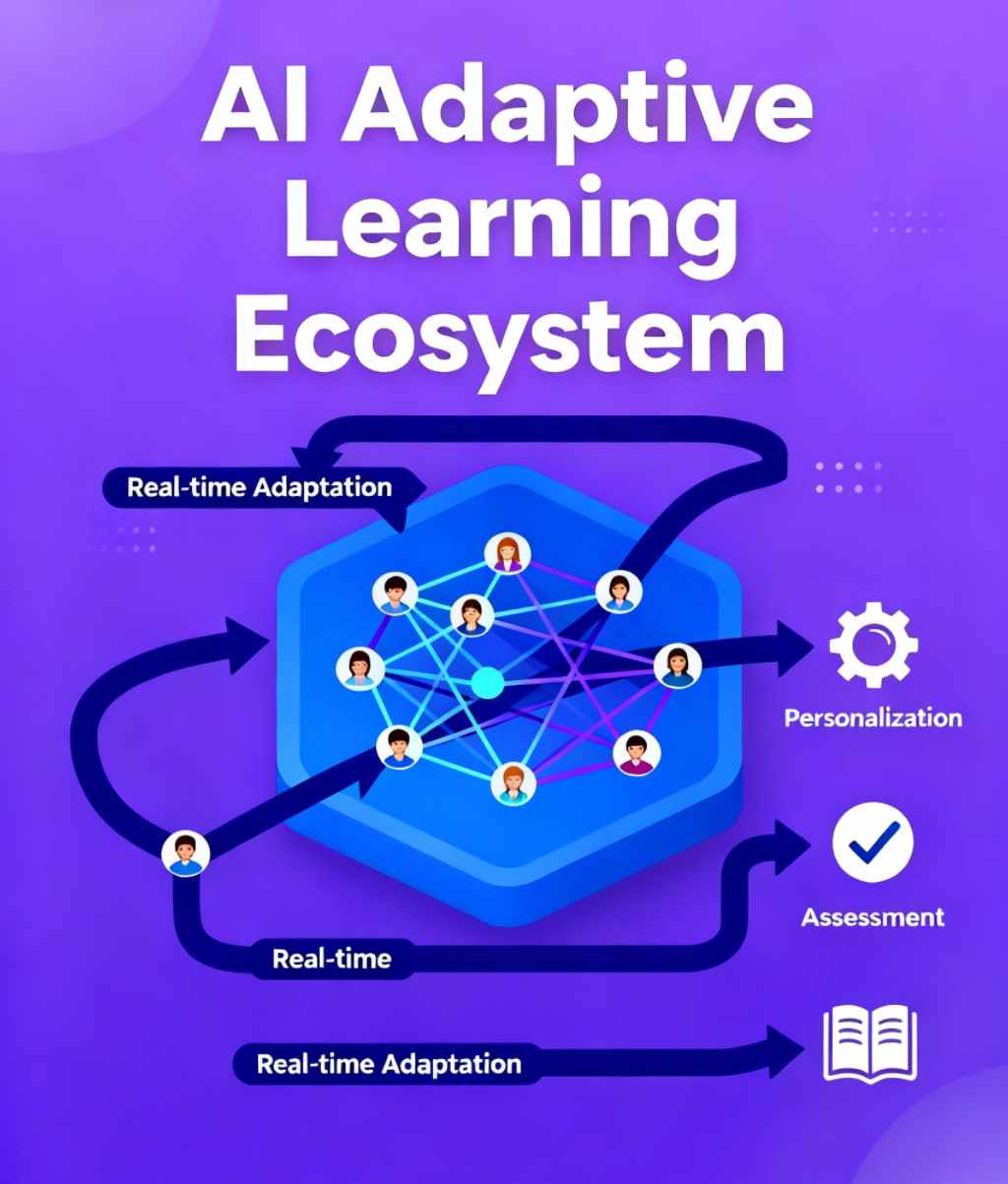
In today’s rapidly evolving educational landscape, AI Adaptive Learning System technology is revolutionizing how students learn and educators teach. Unlike traditional one-size-fits-all approaches, AI Adaptive Learning System creates personalized learning journeys that adjust in real-time to each student’s unique needs, learning pace, and comprehension levels. This groundbreaking AI Adaptive Learning System represents the future of education technology.
With educational institutions worldwide reporting dramatic improvements in student outcomes, AI Adaptive Learning System implementation has become a top priority for schools and universities looking to enhance learning effectiveness. This comprehensive guide explores everything you need to know about implementing an AI Adaptive Learning System in 2025.
What is an AI Adaptive Learning System?
AI Adaptive Learning System is an intelligent educational technology that uses artificial intelligence and machine learning algorithms to dynamically adjust learning content, pace, and difficulty based on individual student performance, learning styles, and preferences. The AI Adaptive Learning System continuously analyzes student interactions and responses to create optimized learning pathways.
Unlike traditional learning management systems, AI Adaptive Learning System provides truly personalized education experiences that evolve with each learner, ensuring optimal engagement and knowledge retention. The AI Adaptive Learning System represents a paradigm shift in educational methodology.
Essential Features of AI Adaptive Learning System
🎯 AI Adaptive Learning System: Personalized Learning Paths
Advanced algorithms create unique learning journeys for each student based on their knowledge gaps, learning pace, and preferred content formats. The AI Adaptive Learning System continuously modifies the sequence and difficulty of learning materials to optimize comprehension and retention. This AI Adaptive Learning System feature ensures no student falls behind or gets bored.
📊 AI Adaptive Learning System: Real-time Assessment
Continuous evaluation of student performance through micro-assessments, interactive exercises, and behavioral analysis. The AI Adaptive Learning System provides instant feedback and identifies knowledge gaps before they become problematic. This AI Adaptive Learning System capability transforms assessment from periodic testing to ongoing support.
🧠 AI Adaptive Learning System: Intelligent Content Recommendation
AI Adaptive Learning System analyzes learning styles, content preferences, and performance data to recommend the most effective learning materials for each student. Advanced algorithms in the AI Adaptive Learning System consider multiple factors including difficulty level, content format, and learning objectives to optimize engagement.
Content Types Analyzed
- • Video lessons and tutorials
- • Interactive simulations
- • Reading materials and texts
- • Practice exercises and quizzes
- • Gamified learning activities
Recommendation Factors
- • Individual learning style
- • Current mastery level
- • Content engagement history
- • Time of day preferences
- • Peer success patterns
📈 AI Adaptive Learning System: Predictive Analytics
Beyond real-time monitoring, AI Adaptive Learning System uses predictive analytics to forecast learning outcomes, identify at-risk students, and suggest proactive interventions. These insights from the AI Adaptive Learning System help educators and institutions make data-driven decisions to improve overall educational effectiveness.
Technology Stack for AI Adaptive Learning System
Machine Learning Core
- • Deep learning networks
- • Reinforcement learning algorithms
- • Natural language processing
- • Collaborative filtering
- • Knowledge graph models
Data Analytics
- • Real-time data processing
- • Learning analytics platforms
- • Student performance modeling
- • Engagement metrics analysis
- • Predictive modeling tools
Content Management
- • Adaptive content engines
- • Learning object repositories
- • Content recommendation systems
- • Multimedia processing
- • Version control systems
User Interface
- • Responsive design frameworks
- • Interactive learning modules
- • Progress visualization tools
- • Accessibility features
- • Multi-device support
Infrastructure
- • Cloud computing platforms
- • CDN networks
- • Database management systems
- • API integration frameworks
- • Security protocols
Integration APIs
- • Learning Management Systems
- • Student Information Systems
- • Content management platforms
- • Assessment tools
- • Analytics dashboards
AI Adaptive Learning System Implementation Process
Phase 1: AI Adaptive Learning System Planning (2-3 weeks)
Define learning objectives, assess current infrastructure, identify target student populations, and establish success metrics. This crucial phase ensures the AI Adaptive Learning System aligns with educational goals and institutional requirements.
Phase 2: Content Strategy & Preparation (4-6 weeks)
Develop and curate adaptive learning content, create knowledge graphs, establish learning pathways, and prepare assessment materials. The AI Adaptive Learning System requires diverse, high-quality content to effectively personalize learning experiences.
Phase 3: AI Model Training & Testing (3-4 weeks)
Train machine learning algorithms, test personalization accuracy, validate prediction models, and refine adaptive learning algorithms. This phase ensures the AI Adaptive Learning System delivers accurate and effective personalization.
Phase 4: Integration & Deployment (2-3 weeks)
Integrate the AI Adaptive Learning System with existing educational platforms, deploy across target user groups, and conduct comprehensive testing. Ensure seamless integration with learning management systems and student databases.
Phase 5: Optimization & Scaling (1-2 weeks)
Monitor system performance, collect user feedback, continuously improve algorithms, and scale implementation across additional courses and programs. The AI Adaptive Learning System evolves with usage and data.
AI Adaptive Learning System Benefits and ROI
| Benefit Category | Traditional Learning | AI Adaptive Learning | Improvement |
|---|---|---|---|
| Learning Efficiency | Fixed pace, one-size-fits-all | Personalized pace and content | 89% efficiency increase |
| Student Engagement | Passive content consumption | Interactive, adaptive experiences | 73% engagement boost |
| Knowledge Retention | Standardized testing methods | Continuous reinforcement | 67% retention improvement |
| Teacher Productivity | Manual lesson planning | Automated personalization | 54% time saved |
| Student Success | Reactive support system | Proactive interventions | 61% success rate increase |
Success Stories: Real-World AI Adaptive Learning Implementation
🎓 Stanford Online Learning Initiative
Implemented AI Adaptive Learning System across 25 online courses serving 45,000+ students. The university reported dramatic improvements in course completion rates and student satisfaction.
🏫 Global K-12 District Network
Deployed comprehensive AI Adaptive Learning System across 120 schools serving 150,000+ K-12 students. The system transformed how teachers address diverse learning needs in mixed-ability classrooms.
Key Achievements:
- • 89% improvement in standardized test scores
- • 67% reduction in achievement gaps
- • Teacher effectiveness increased by 54%
- • Student engagement up by 73%
💼 Corporate Training Excellence
Fortune 500 company implemented AI Adaptive Learning System for employee training and professional development, resulting in significantly improved skill acquisition and job performance.
Future Trends in AI Adaptive Learning
🧬 Neuro-Adaptive Learning
Next-generation AI Adaptive Learning System will incorporate brain-computer interfaces and neurofeedback to optimize learning based on cognitive load and attention patterns, creating truly personalized cognitive experiences.
🌐 Global Learning Networks
Cross-institutional AI Adaptive Learning System networks will enable seamless learning experiences across schools, universities, and workplace training, creating lifelong learning ecosystems.
🤖 Emotional Intelligence Integration
Advanced emotion recognition and empathetic AI will enable AI Adaptive Learning System to respond to student emotions, motivation levels, and psychological states for holistic learning support.
🔮 Quantum-Enhanced Learning
Quantum computing will revolutionize AI Adaptive Learning System capabilities, enabling instantaneous processing of vast learning datasets and hyper-personalized educational experiences at unprecedented scales.
Getting Started with AI Adaptive Learning System
📋 Implementation Checklist
- Assess current learning infrastructure
- Define personalization objectives
- Prepare adaptive learning content
- Choose the right AI Adaptive Learning System
- Plan phased rollout strategy
- Establish success metrics
🎯 Success Factors
- Strong administrative support
- Comprehensive teacher training
- Quality adaptive content
- Robust technical infrastructure
- Continuous improvement mindset
- Student-centered approach
Transform Your Educational Experience Today
Join the adaptive learning revolution with cutting-edge AI Adaptive Learning System technology that personalizes education for every learner’s unique journey. The AI Adaptive Learning System represents the future of education.