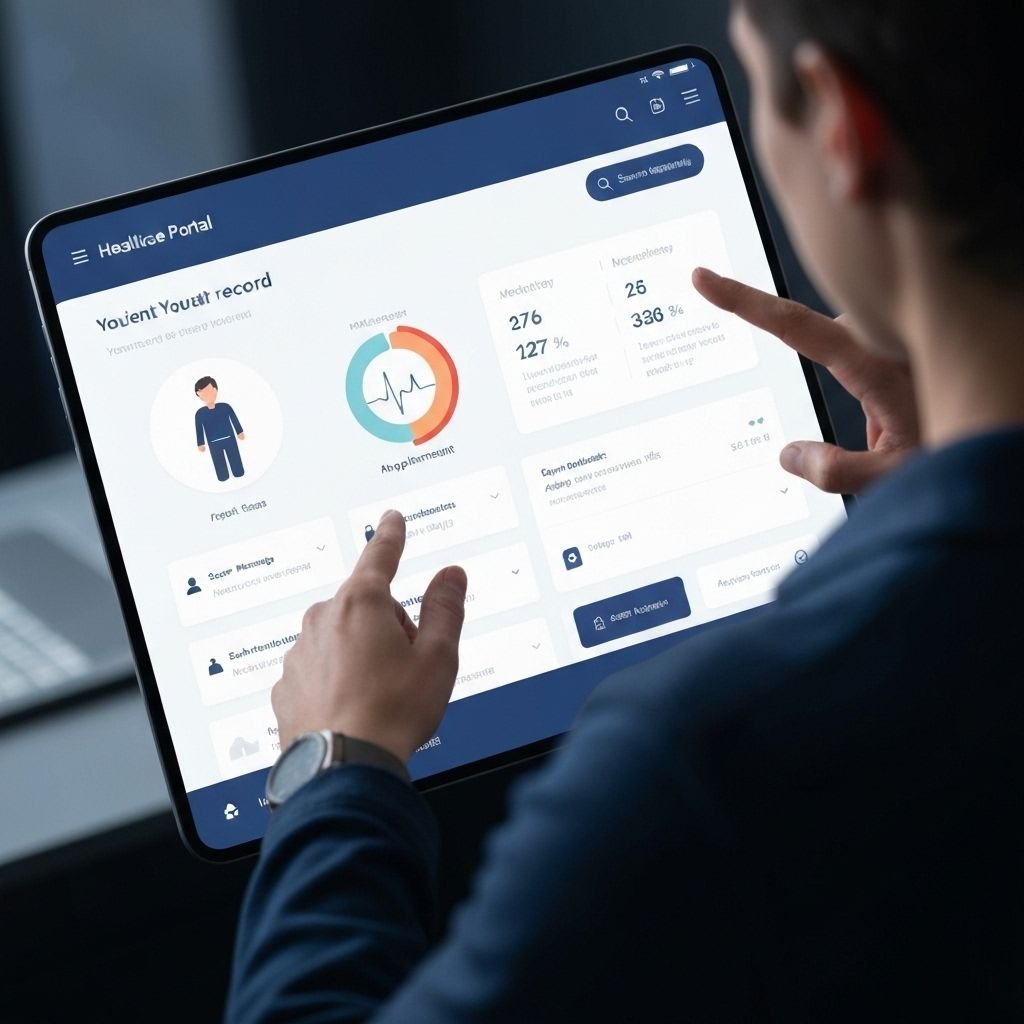
Reliable Software Development Partner: Their measurable reliability is built on these five non-negotiables.
- SLA with teeth: Response/Resolution targets by severity, credits for misses, and clarity on change windows.
- Transparent sprint demos: Every 1–2 weeks, clickable software—not slideware. Recordings shared.
- Quality gates in CI/CD: Lint, tests, coverage thresholds (e.g., critical code ≥80%), and mandatory code review.
- Security-by-default: OWASP Top 10 awareness, least-privilege IAM, secrets in vaults, no hard-coded keys.
- Traceability: User stories ↔ commits ↔ builds ↔ deployments. Tickets are not optional.
What to ask (and verify)
- “Show last sprint’s demo recording and release notes.”
- “Export your pipeline run history for the last two releases.”
- “Share your standard DoD. Where do security checks and performance budgets live?”
- “Walk me through a P1 incident you resolved—timestamps, MTTR, postmortem link.”
Common pitfalls - Promised seniority without org chart access. Ask for named roles and % allocation.
- ‘Fixed price’ with vague specs. Demand a change control and assumptions log.
- Security as a phase. It must be continuous, not a late audit.
Next step → Use the checklist at the end of this page to score any vendor in 15 minutes.
Our Delivery System at Yuanzitech (agile software development process)
Cadence & roles
- Sprint length: 2 weeks.
- Ceremonies: Planning (timeboxed), daily standup (15 min), Demo, Retro.
- Roles you get: Product Lead (your proxy), Tech Lead, Engineers, QA, DevOps. Single Slack channel & shared dashboard.
Definition of Done (DoD)
- Story accepted by Product Lead, code merged with review, tests green, security checks passed, feature flagged if risky, docs updated.
Quality gates
- Static checks: Linting/blocking rules.
- Tests: Unit as default; integration + e2e for critical flows. Coverage targets: critical paths ≥80%, platform avg ≥65% (experience target).
- CI/CD: Build once, promote across envs; approvals enforced; rollback plan for each release.
Security (security-first standard operating mode)
- OWASP awareness, SAST/DAST in pipeline; secrets in a managed vault; least-privilege IAM; dependency scanning weekly; P1 patch SLA.
Artifacts we deliver every sprint
- Demo recording & changelog; burndown snapshot; coverage & quality report; open risks & decisions log.
Next step → See how this looks in practice—book a scope call at https://yuanzitech.com/ and ask for a sample sprint pack.
Pricing Logic You Can Audit(software development pricing)
Feature Point model (simple and fair)
- For each feature, assign Complexity Points (CP):
- Base complexity (1–5) × effort factor (front-end/back-end)
- Integration points (per external system)
- Compliance points (PII, audit, payment, etc.)
- Base complexity (1–5) × effort factor (front-end/back-end)
- Budget formula:
- Budget ≈ CP_total × $900–$1,400 USD/point (experience range; adjust by stack & team seniority)
- Timeline formula:
- Sprints ≈ CP_total ÷ Team Velocity (points/sprint).
- Example: 120 CP, velocity 30 → ~4 sprints (8 weeks) to MVP.
Change control that protects you
- Assumptions log maintained per feature. Any change → new CP delta approved before work. No surprises.
Common pitfalls
- Under-specifying integrations (auth, retries, error tax).
- Ignoring non-functional budgets (performance, observability, security).
Next step → List your top 5 features, rough CP each, and multiply. Bring the list to us for a validated estimate.
SLAs, KPIs, and What Happens When Things Go Wrong(software development SLA)
Service Levels (sample)
- Response/Resolution: P1—15m/4h, P2—1h/8h, P3—4h/3d.
- Change windows: Agreed deployment windows; emergency hotfix carves out.
- Bug warranty: 30 days after acceptance for scope defects.
Delivery KPIs
- Velocity stability: ±15% over 3 sprints.
- Escaped defects: ≤ 2 per sprint for MVP stage (experience target).
- Lead time for changes: commit → prod median ≤ 24h after MVP hardening.
When things go wrong
- Time-stamped incident channel; owner assigned within SLA; postmortem in 48h with action items; client sign-off on closure.
Next step → Ask us for the SLA appendix and KPI dashboard sample—request via https://yuanzitech.com/.
Case Snapshots (Anonymized) & Anti-Patterns We Refuse
Scenario A: Team Augmentation for a Fintech MVP (anonymized)
- Outcome: delivered KYC flow + ledger module in 10 weeks; reduced escaped defects by 40% after adding e2e tests. (Experience-based example)
Scenario B: Greenfield SaaS (B2B)
- Outcome: hit first enterprise pilot in 12 weeks with role-based access and audit logs. (Experience-based example)
Scenario C: Legacy Rescue
- Outcome: stabilized error rate (−70%) in 3 sprints by fixing logging, adding circuit breakers. (Experience-based example)
Anti-patterns we say no to
- No product owner on client side; “fixed-everything” with undefined scope; shipping without tests; credentials sent over email; skipping demos.
Next step → If your current vendor matches ≥2 anti-patterns, talk to us about a transition plan.
Start Here—Your 10-Point Vendor Reliability Checklist
Score 0–2 each (0 = missing, 2 = strong). 16+ means “safe to proceed”.
- SLA with credits & clear severities
- Sprint demo recordings + release notes
- DoD includes security & performance budgets
- CI/CD with blocking checks & approvals
- Test coverage targets documented
- Secrets management & dependency scanning
- Incident MTTR & postmortems shared
- Named team, roles, allocation %
- Change control & assumptions log
- Traceability from story → commit → deploy
Next step → Fill this and share it with us at https://yuanzitech.com/ to get a free risk report.
How do I compare quotes from different vendors?
Ask each to share sizing assumptions, velocity, and risk buffers alongside price. Compare assumptions per feature, not totals
Fixed price or time & materials?
For evolving products, T&M with strict change control is safer. Fixed price works only with locked scope and capped change requests.
What security practices are standard at Yuanzitech?
Secrets vaulting, least privilege IAM, SAST/DAST, dependency scans, and secure code reviews as part of the DoD.
What if we need to pause or pivot mid-project?
Work is demoed every sprint; you can pause at sprint boundaries with full handover artifacts.
Do you work with startups and enterprises?
Yes. We right-size the team and governance; KPIs and SLAs scale with risk.
What guarantees do you offer?
30-day bug warranty on accepted scope, SLA-backed response/resolution, and transparent metrics.
How fast can we start?
Typical kickoff within 1–2 weeks after contract + access. Discovery can begin sooner.